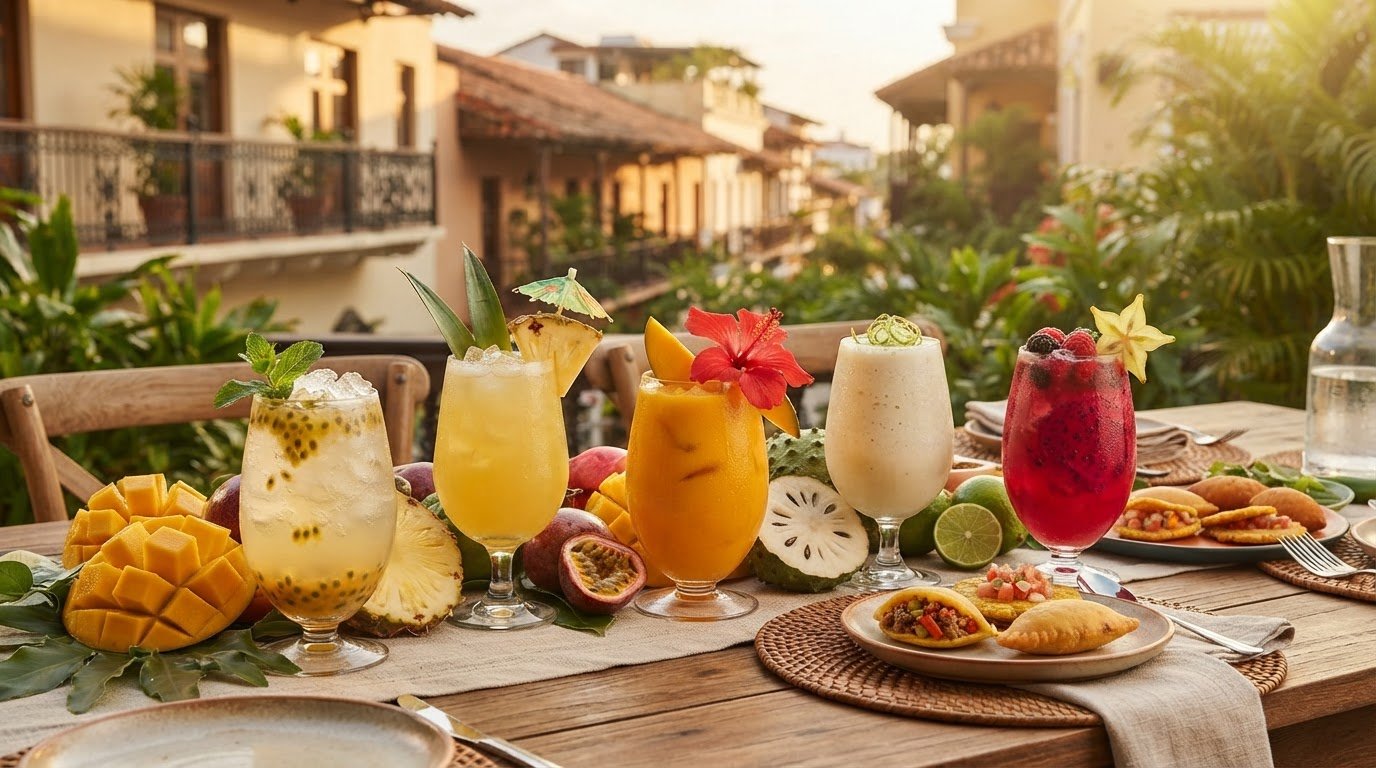
Choosing among the types of tropical juices in Panama is easier when you start with the flavor you’re craving. You might see bright, tangy passion fruit, sweet mango, juicy pineapple, or the softer, creamy taste of soursop. If unfamiliar names make you pause, think first about whether you want something sweet, tart, or mild. That simple starting point can make choosing part of the fun.
Panama’s fruit drinks can also differ in how they’re prepared. Some are light and pourable, while others are blended into a thicker drink. Knowing the difference helps you choose what suits your taste, whether you want a tart, refreshing sip or a more filling blend. Alongside Panamanian street food, a cool fruit drink can add a welcome contrast to savory bites.
This guide covers familiar and distinctive fruit flavors, useful questions for comparing drink styles, and ideas for pairing a refreshing drink with Panamanian favorites. You can also enjoy tropical drinks alongside the street food at Concolon, including its Piña Colada. ¡Let’s find your next favorite sip!
Key Takeaways
- The types of tropical juices in Panama can be fresh, diluted, or blended, so the drink’s name alone may not tell you its texture.
- Compare sweetness, tartness, and thickness to find a fruit flavor that suits what you’re craving.
- Before ordering, ask whether a blended drink is made with water or milk if you’re choosing between a lighter or creamier sip.
- Match your drink to your meal: a lighter option can balance savory street food, while a thicker blend can make for a more filling pairing.
- Know the difference between juice, blended fruit drinks, and cocktails, and enjoy tropical drinks alongside Panamanian street food at Concolon.
What Counts as Tropical Juice in Panama? Start with the Fruit
In Panama, a fruit-based drink may be freshly extracted, blended whole, or mixed with water; some preparations use milk. The fruit sets the flavor, while the method shapes the texture. One glass may be light and pourable, another thick with fruit pulp. To understand the types of tropical juices in Panama, consider both what’s in the glass and how it was made.
In this guide, “tropical juice” means a non-alcoholic fruit drink made with tropical fruit, whether extracted, blended, or diluted; it doesn’t imply one fixed Panamanian recipe. Everyday menus may use “juice” for more than one preparation. Fruit drinks are also distinct from cocktails, which may contain alcohol or combine fruit with other ingredients.
Fresh juice, blended fruit, and other tropical drinks
Extraction separates much of the liquid from the fruit’s flesh, often producing a smoother, lighter drink. Blending keeps more of the fruit in the glass, so the result can feel thicker or pulpier. Straining can make a blended drink smoother, while leaving it unstrained preserves more texture. Recipes may include water or milk: water can make a fruit blend lighter, while milk can give it a creamier feel.
Names aren’t always a perfect guide. A batido generally refers to blended fruit, while chicha often means a sweet, non-alcoholic fruit drink. Local usage and recipes can vary, and the word can also refer to a fermented corn beverage. A refresco is another broad term for a refreshing drink. A cocktail is a separate category, especially if it includes alcohol. If the menu description leaves you unsure, ask whether the drink is extracted or blended, and whether it contains water, milk, or alcohol.
Why Panama’s fruit variety makes each glass different
Fruit is the starting point for variety. Agriculture in Panama includes crops such as bananas, pineapples, and mangoes, among other produce. Each fruit has its own character: pineapple can taste bright and tangy, while ripe mango tends to be rounded and sweet. The fruit name gives you a useful first clue, but not a guarantee of exactly how the finished drink will taste.
Ripeness matters. Less-ripe fruit may taste firmer or more tart, while fully ripe fruit often brings softer texture and fuller sweetness. Preparation shifts the result, too. Water can mellow an intense flavor, blending preserves body, and straining removes some pulp. That’s why two drinks made with the same fruit can feel quite different. Picture the texture and flavor you want, then use the preparation details to guide your choice.
Tropical Juice Flavors to Look For: Pineapple, Mango, Passion Fruit, and More
Fruit names offer a first clue to a drink’s character. Some flavors are mellow and sweet, while others bring sharp, tangy notes. The types of tropical juices in Panama can include familiar choices like pineapple and mango alongside flavors that may be new to you. These descriptions are a starting point, not a promise of a particular recipe: ripeness, straining, and added water or milk can all affect the final taste.
Sweet, mellow fruit flavors
Mango is a good pick if you like rounded sweetness and a lush fruit flavor. Ripe mango tends to taste sweeter and softer than firmer fruit, while blending can make the drink smooth and full-bodied. In short, mango usually brings a mellow, sweet taste.
Papaya has a gentler profile. Its flavor is typically mild and sweet, with a soft texture when ripe. In a blended drink, that softness can make each sip feel smooth rather than sharply acidic. If you prefer fruit flavors that don’t lead with tartness, papaya may suit you. Ripeness still matters, so the sweetness can vary.
Bright, tart, and distinctive fruit flavors
Pineapple, called piña in Spanish, brings a lively tang with clear sweetness behind it. Passion fruit, or maracuyá, is more sharply tart and fragrant. Think of pineapple as sunny and tangy, while passion fruit gives a sharper, mouth-watering zing. If you enjoy a bold sour edge, passion fruit may be your match; pineapple offers a brighter balance.
Soursop, known in Spanish as guanábana, has a distinctive sweet-tart flavor often compared to a blend of fruity notes. When blended, it can have a creamy, soft quality, making the drink feel more substantial than a clear, strained juice. Ask whether it’s blended or strained to know how much pulp to expect.
Tamarind, or tamarindo, stands apart with a tangy, sweet-and-sour taste. It can be a refreshing choice if you want more tartness than mellow fruit drinks offer. As a simple guide, tamarind balances sour and sweet, while guanábana leans softer and fruitier.
To narrow your choice, decide whether you want mellow sweetness, crisp tang, or a mix of both. Then consider texture: a blended fruit drink can feel thicker than a strained one. For another way to enjoy tropical flavor beside savory Panamanian food, explore tropical drinks with street food, including Concolon’s Piña Colada.
Juice, Batido, or Chicha? Understand the Drink Before You Order
A drink’s name can point you in the right direction, but preparation fills in the details. In Panama, terms such as jugo natural, batido, and chicha describe familiar kinds of fruit drinks, though recipes and everyday usage can vary. Treat the name as a starting point rather than a guarantee of one exact recipe, and ask what’s in the glass when the details matter.
| Drink type | What to expect | What can vary |
|---|---|---|
| Fresh juice | Fruit juice, often lighter and more pourable | Whether it’s strained, diluted with water, or sweetened |
| Blended fruit drink | Fruit blended into a thicker, more textured drink | Whether it’s made with water or milk, and whether it’s strained |
| Cocktail | A mixed drink that may contain alcohol | Ingredients and whether it’s alcoholic |
How preparation changes texture and taste
Strained juice is often the lighter option: removing much of the pulp can leave a smoother, thinner drink. Blending keeps more fruit in the mix, so each sip may feel thicker and fuller. Neither style is automatically sweeter; the fruit’s ripeness and any added sweetener also affect taste.
Water can loosen a blend and soften its intensity. Ice may make it colder and more diluted as it melts, while milk can add creaminess. These are possible preparation choices, not rules attached to every drink name. A batido generally means blended fruit, often prepared with water or milk, but recipes differ. The menu description or a quick question can help you know what texture to expect.
How to understand an unfamiliar drink name
Chicha commonly refers to a sweet, non-alcoholic fruit drink, but the word has other uses, too. For example, chicha fuerte can refer to a fermented corn beverage. Context matters, so don’t assume every chicha is fruit-based or prepared the same way. Cocktails are a separate category: ask whether a drink contains alcohol if that detail matters to you.
Curiosity is all you need. Try asking, “Is it blended or strained?” “Is it sweetened?” or “Is it made with milk?” These simple questions make it easier to choose among the types of tropical juices in Panama without getting stuck on unfamiliar names. You can also enjoy tropical drinks alongside street food at Concolon, including its Piña Colada.

How to Choose a Tropical Juice for Your Taste and Meal
A good drink choice starts with what you want from the next sip. Are you craving fruit-forward sweetness, a lively tart note, or something cool and light alongside a savory meal? Use this quick method to narrow the options. These pairings are suggestions, not fixed rules. Choose the combination that tastes right to you.
Choose by sweetness, tartness, and texture
- Pick your flavor direction. For a mellow, sweet taste, look for a drink based on ripe mango or papaya. Prefer a brighter edge? Pineapple, passion fruit, or tamarind can bring more tang. The finished flavor still depends on the fruit and recipe.
- Decide how tart you want it. If you enjoy a mouth-watering, sharp note, ask about the fruit’s acidity or choose a more tart flavor. If you’d rather keep the sip gentle, ask for a sweeter, milder fruit option.
- Choose your texture. Ask whether the drink is strained or blended. Strained juice is often lighter and easier to sip; blended fruit can feel thicker and more filling. Ask whether it’s made with water or milk if you’re deciding between a lighter or creamier texture.
- Think about your meal. A cool, bright drink can refresh your palate between savory bites. A thicker blend may suit you if you want a more substantial-feeling drink alongside your food.
A simple ordering question can make your choice easier: “Is this light and strained, or thick and blended?” If sweetness matters most, ask whether the drink is sweetened. That gives you a clearer idea of what to expect without needing to know every fruit or drink name on the menu. The types of tropical juices in Panama offer plenty of ways to follow your taste, so treat the first sip as a discovery, not a test.
Match a refreshing drink with Panamanian street food
Panamanian street food brings savory flavors and satisfying textures to the table. A cool fruit drink can offer a refreshing contrast, especially if you choose a bright or tangy profile. Try a lively fruit flavor alongside empanadas, or sip a lighter drink with tamales. A mellow, thicker blend could also make a satisfying companion to patacones or Concolon. These are ideas for experimenting, not traditional pairing rules.
If you want more context for the dishes you’re choosing between, explore this guide to authentic Panamanian food. Then bring your flavor preference to the table. Enjoy tropical drinks alongside Panamanian street food at Concolon, and see how a refreshing sip can round out your meal.
Enjoy Panama’s Tropical Drinks Alongside Panamanian Street Food
A savory bite and a cool, fruity sip make a lively pair. The contrast can be part of the pleasure: satisfying street food alongside a refreshing drink that brings a bright note to the meal. There’s no single right match. Your favorite pairing depends on the flavors and textures you enjoy, so follow your appetite and try what sounds good.
A refreshing drink with a savory Panamanian meal
Think about the balance you want. A bright, tart fruit drink may feel refreshing beside savory bites, while a milder, sweeter flavor can offer a softer contrast. With Concolon, an empanada, a tamal, or patacones, you might choose a lighter drink to sip between bites. Or choose a thicker blended drink if you’d like something more substantial. These are personal suggestions, not fixed Panamanian food customs.
For an easy pairing, let one element lead. If your food has a bold savory flavor, a cool fruit drink can refresh your palate. If your drink is especially tangy, sip it between bites and see how its sharper flavor plays against the meal. You can also choose by texture: a light, pourable drink keeps the meal feeling crisp, while a creamy or blended option makes it feel more filling. There’s no wrong answer. Enjoy the contrast, or choose flavors that feel like a natural match to you.
Explore the Concolon and Panamanian street food experience with an open mind and a little curiosity. Consider sweetness, tartness, texture, and the kind of balance you want with your food. That simple approach can make unfamiliar drink names easier to explore and help you find a pairing that feels right for your meal.
Come explore tropical drinks at Concolon
At Concolon, tropical drinks are served alongside Panamanian street food, bringing cool refreshment to a table full of savory flavors. The restaurant serves Piña Colada, and its dishes are prepared with fresh, locally sourced ingredients. Keep your choice personal: perhaps you’re drawn to something fruity and refreshing, or you’d like to enjoy a Piña Colada with your meal.
The types of tropical juices in Panama offer plenty of flavor inspiration, but you don’t need to know every preparation before sitting down to eat. Choose what sounds inviting, enjoy each sip with a bite, and let the combination become part of the experience. Enjoy tropical drinks with Panamanian street food at Concolon. Pull up a seat, bring your appetite, and savor the flavors together!
Make Your Next Sip Part of the Adventure
Let your next drink be a small taste adventure. The types of tropical juices in Panama offer a reason to follow your curiosity, try a fruit you haven’t tasted before, or notice how a familiar flavor changes with a new preparation. You don’t need to find one perfect favorite right away. Each glass can show you something different about what you enjoy.
Make the experience your own. Choose a flavor that catches your eye, enjoy it with a savory bite, and pay attention to the combination. Maybe you’ll discover that you love a bright contrast, or that a mellow sip suits your meal best. A little curiosity can turn an ordinary refreshment into a memory you’ll want to revisit.
Ready to make your next meal a flavorful one? Enjoy Panamanian street food and tropical drinks at Concolon. Bring your appetite and an open mind. Your next favorite sip could be waiting.
Frequently Asked Questions
What tropical juices are popular in Panama?
Fruit drinks made with tropical produce are a familiar part of Panama’s food culture, with pineapple, mango, and passion fruit among the flavors you may encounter. Menus and preferences vary, and names and recipes can differ. Use the fruit as a clue, then choose based on whether you’re in the mood for a mellow, sweet taste or something more tart.
Is fresh fruit juice common in Panama?
Fresh fruit drinks are one way to enjoy the flavors of tropical produce in Panama. A drink may be made by blending fruit, straining its liquid, or diluting it as part of the recipe. If you’re choosing from a menu, look for words such as fresh or blended, or ask how the drink is prepared to get a better sense of what will arrive.
What does maracuya juice taste like?
Maracuyá is the Spanish name commonly used for passion fruit, and its juice is known for a tangy, aromatic flavor. Think fragrant and lively, with a tart edge rather than a mild, mellow taste. The finished drink can still vary: ripe fruit may taste different from less-ripe fruit, and straining or blending affects its texture. If you prefer less tartness, ask whether the drink is sweetened before choosing.
What is the difference between jugo and batido?
Jugo means juice, while batido often refers to a blended fruit drink; exact usage and recipes can vary by speaker and setting in Panama. A jugo may be lighter, whereas a batido can retain more fruit and feel thicker. The names alone don’t guarantee a particular recipe. If texture matters, ask whether the drink is blended or strained, and whether it contains milk.
Are Panamanian tropical juices always made with water?
No, water isn’t a universal ingredient or preparation method for fruit drinks in Panama. A recipe might use blended fruit, strained juice, water, or other ingredients, depending on the fruit and how the drink is made. If you want something light, ask whether it’s diluted or served with ice; if you prefer a thicker texture, ask whether it’s blended. That way, you can choose by the result you want.
Is Piña Colada a fruit juice?
No. A Piña Colada is a cocktail-style tropical drink, not simply a glass of plain pineapple juice. Common versions combine pineapple flavor with other ingredients, and recipes can vary, so it’s useful to distinguish it from a straightforward fruit juice. Concolon serves Piña Colada among its tropical drinks. If you’re avoiding alcohol, ask about a drink’s contents rather than assuming every tropical drink is non-alcoholic.
What tropical drink goes well with Panamanian street food?
There’s no required pairing; choose a drink that suits the flavors you enjoy. A cool, fruity sip can contrast pleasantly with warm, savory street food, while your preference for sweet, tart, light, or creamy can guide the choice. Concolon serves tropical drinks alongside Panamanian street food, including Piña Colada. Let your own taste lead, and enjoy the combination that feels right with your meal.
Leave a Reply