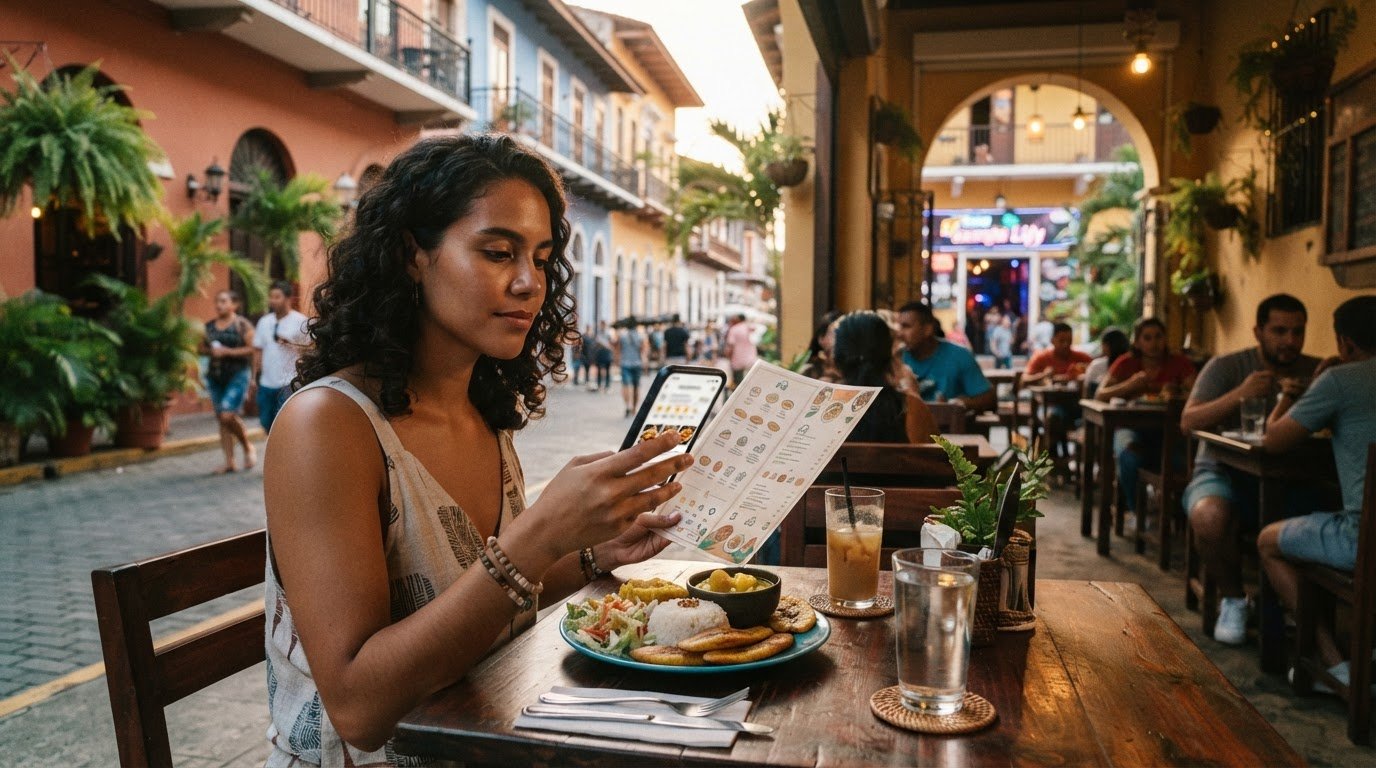
The restaurant closest to a famous attraction isn’t automatically the best choice. When avoiding tourist-trap restaurants in Panama, compare recent reviews, read feedback in Spanish, and study customer photos before deciding. Look beyond the busiest visitor streets, too, and watch for pressure to come inside or a menu aimed at catching passersby.
When you’re hungry and exploring, it’s easy to follow the crowd or take the first inviting table. A little research can help you choose more confidently, but one clue rarely tells the whole story. Consider the overall picture: what diners mention, what the food and setting look like, and who appears to be eating there.
Here, you’ll learn how to weigh reviews and photos, find restaurants beyond the main tourist areas, and spot red flags before you sit down. You’ll also get practical ways to ask about local favorites around Panama City, so your next meal can be part of the adventure, not a disappointing detour.
Key Takeaways
- Compare recent reviews and look for consistent details, especially in reviews written in the local language.
- Use customer photos to judge a restaurant’s atmosphere and see whether its dishes match what you’re hoping to try.
- Explore side streets beyond the most obvious tourist spots, and notice where local diners choose to eat.
- Read the menu posted outside and watch for pressure to enter, tourist-focused offers, or other warning signs.
- Ask Panama City residents or hotel staff for their favorite nearby places to eat, then compare those suggestions with your own research.
1. Checking reviews and photos
When avoiding tourist-trap restaurants in Panama, start by comparing written reviews with customer photos. A glowing rating alone says little about the food, service, or setting. Look for specific details that multiple diners mention, such as freshly prepared dishes, attentive service, or menu items that match the photos.
Read individual reviews rather than relying only on an overall score. Give extra weight to reviews written in Spanish, since local-language feedback can offer useful context about dishes and dining experiences. Look for details, not just praise: a review naming a Panamanian dish and describing its flavor is more helpful than “great food.” Also notice whether different reviewers mention the same concern, such as a mismatch between the menu and the meal.
Use this quick review check before saving a restaurant:
- Read several recent reviews, not only the first result or the highest-rated comment.
- Compare Spanish-language reviews with English-language ones for repeated details.
- Notice whether diners describe particular dishes, service, and atmosphere clearly.
- Check whether critical reviews explain a specific experience rather than making a broad claim.
Photos add another useful layer. Look for customer pictures of the food, tables, and dining room, then compare them with the restaurant’s own images. A photo showing a dish from different angles can help you understand its portion and presentation. Images of a busy dining room can show the atmosphere, but one full room does not prove the food is good. Look for a range of customer photos instead of judging from one carefully staged image.
Use the same approach across multiple review platforms or guidebooks. If reviews describe a relaxed local meal but photos show a polished, visitor-focused setting, investigate further. If the comments and images tell a consistent story, add the restaurant to your shortlist. Researching ahead and booking can help you plan where to eat, especially when your schedule is tight.
Try Panamanian dishes such as empanadas, and look for restaurants serving local food beyond the most obvious visitor spots. Check reviews for specific mentions of the dish, then look at customer photos to see how it’s presented.
Use review research to compare restaurants, not to expect certainty. If reviewers repeatedly praise one dish but photos suggest a different menu focus, investigate another restaurant. Comparing these details helps you make a more informed choice before sitting down.
2. Finding restaurants away from tourist areas
Start by marking the attraction you plan to visit in Panama City, then look beyond the nearest bright restaurant or busy main square. A short walk down a side street can reveal places serving neighborhood diners instead of relying only on passing visitors. Check the surrounding blocks on a map, but use the map to explore, not to choose solely by distance. The closest option is convenient, not automatically the best fit.
Walking around gives you a better feel for the area. Notice which places have local customers, menus suited to a regular lunch, and a steady flow of diners. An empty dining room doesn’t prove the food is poor; people may be eating at another time. Likewise, a full room doesn’t guarantee a satisfying meal. Consider the menu, clientele, and setting together.
To find local fondas and lunch specials in Panama City, ask residents or hotel staff where they eat, then explore the nearby streets on foot. Ask for a specific neighborhood recommendation or the name of a place serving a favorite local dish. This can lead you beyond the most visible restaurants near Casco Viejo and downtown, toward spots you might not find in a guidebook.
There’s no single price for every local meal in Panama. Compare the posted prices for the same dish at nearby restaurants, since portions, ingredients, and location can affect the cost. Read the menu before sitting down, and compare a lunch special with the listed dishes instead of judging by a low headline price alone. That gives you a useful comparison without treating one menu as the standard for the whole country.
There’s no single tip amount that applies at every restaurant in Panama. Decide based on the service you received, and review the bill before adding anything extra. If you’re unsure what a line on the bill means, ask politely before paying. This helps you make an informed decision without assuming every restaurant handles service charges the same way.
Use a simple route: choose a dining area near your plans, walk beyond the most obvious attraction-side options, and look for places with local customers and a menu you can understand. After visiting an attraction, for example, compare nearby side streets instead of choosing the first restaurant at a busy entrance. Ask someone local for a fonda or lunch-special suggestion, then check the posted menu and setting. You’ll have more context before picking a table.
Side roads away from obvious tourist spots may offer worthwhile dining, especially when they attract busy local customers. In Granada, walking 5 to 10 minutes away from the center is suggested as a way to find local restaurants. Restaurants on a town’s main street or beside its main square may be less authentic than restaurants elsewhere.
Walking or cycling around can help you find places to eat that aren’t in guidebooks. Instead of choosing the nearest bright restaurant beside a famous attraction, look for other options nearby. Pay attention to local foot traffic and explore beyond the most prominent dining area.
3. Restaurant red flags
A restaurant’s location can do much of the selling. A dining room beside a famous attraction or scenic view may draw visitors for the setting rather than the food. Check the menu and customer feedback before letting a waterfront table or landmark view sway your decision. An impressive exterior tells you little about the meal, so look beyond the entrance.
Read the menu posted outside before going in. A very extensive list can make it harder for a restaurant to prepare every dish fresh. An unusually cheap offer also deserves a closer look: compare what it includes with the menu instead of assuming it’s good value. If the deal is unclear, choose a restaurant with dishes and prices that are easy to understand.
Consider the menu, dining room, and clientele together. A chain can offer familiar choices, but may not provide the local meal you’re looking for. Picture-heavy menus can be a warning sign, although they may help if you need visual guidance. A room full of visitors doesn’t prove the food is poor, just as an empty room doesn’t prove it’s good.
- Huge menu: Check whether it combines many unrelated dishes without explaining what the kitchen specializes in.
- Unusually cheap offer: Read the full description and compare it with the listed dishes.
- Attraction-first setting: Look for food details, not only a view or polished exterior.
- Picture-heavy menu: Treat it as one clue, especially if the photos dominate the menu.
Notice how the restaurant attracts your attention. Someone inviting passersby inside doesn’t obligate you to dine there. If you feel pressured, keep walking and compare another menu. A menu aimed at visitors is also a reason to pause and consider whether the restaurant caters mainly to short-term guests. These signs don’t prove the food is poor, but they can help you avoid choosing under pressure.
Take extra care with buffets. Food quality can disappoint, and dishes left out or moving slowly through service can raise food-safety concerns. Rather than choosing a buffet just for convenience, consider whether the food looks freshly replenished and whether the setup suits the meal you want. A full dining room alone can’t answer those questions.
Read the room in context. A quiet restaurant may be outside local dining hours, while a packed room can reflect location or timing rather than food quality. Consider the menu, setting, service approach, and clientele together. If several warning signs appear at once, compare another restaurant before committing to a table.

4. Signs of tourist-trap restaurants
In Panama, a visitor-focused menu or someone urging you inside can be a reason to pause. Neither proves a restaurant is dishonest, but both suggest you should inspect the offer before deciding. Read the menu posted outside, compare dishes and prices, and walk away if the details are unclear or pressure replaces a straightforward welcome.
Warning signs can include a cheap “tourist menu” promoted at the entrance, unclear prices, or staff repeatedly trying to steer passersby inside. Treat these as reasons to slow down, not proof of a scam. Check what the offer includes and whether the dishes also appear on the regular menu.
A menu translated into many languages may suggest that a restaurant caters mainly to visitors. Large English signs or menus at the entrance can also be a clue where English isn’t the local language. Consider these signs alongside the location and menu rather than assuming translation alone means poor value or food.
Look closely at the special being advertised. A daily menu that changes with the chef’s choices or seasonal ingredients is different from a cheap offer aimed at passing visitors. A changing selection, for example, may reflect what the kitchen is preparing that day. Inspect a low-cost offer more carefully if its contents or conditions aren’t clear.
Check the menu before sitting down, especially near a major attraction or busy visitor route. Make sure each dish has a clear description and price, and see whether the advertised special matches the printed menu. If someone outside promotes a deal but won’t explain what it includes, keep walking and compare another restaurant’s menu.
Use this quick check before choosing:
- Entrance pitch: Notice whether staff invite you in once or keep pressing after you decline.
- Tourist menu: Read the full offer and compare it with the regular menu.
- Translated menus: Treat multiple languages as context, not a verdict on quality.
- Unclear pricing: Choose a menu that shows what each dish costs before you order.
- Changing daily selection: Look for a clear description of the dishes rather than judging a special by its name.
Keep the decision in your hands. You don’t owe a restaurant your business because someone invited you inside, and you can leave before ordering if the menu differs from the offer. If an entrance sign promotes a special but the posted menu gives no clear details, for example, step away and compare another place. Weigh several clues together, then choose based on the menu, setting, and welcome.
5. Where do locals eat in Panama City near Casco Viejo and downtown?
There isn’t one single dining spot that represents where every resident eats. To find places locals frequent near popular neighborhoods, ask people who know the area: residents, hotel staff, or workers in nearby businesses. A useful question is, “Where do you go for a meal around here?” It invites a personal recommendation rather than a list designed for visitors.
Make your request specific to your plans. Ask for a nearby lunch spot, a fonda, or somewhere serving authentic Panamanian dishes. If you’re staying near a busy visitor area, ask for a suggestion beyond its main streets. Ask which nearby places people choose for an everyday meal. The person you ask may have different tastes, so compare suggestions rather than treating one answer as a universal verdict.
Use the recommendation as a starting point. Check the restaurant’s location and menu, and see whether the listed dishes match what you want to eat. Look for signs that it serves neighborhood diners, such as local customers enjoying an ordinary meal. A full room may suggest local interest, but it doesn’t guarantee quality; consider the menu and atmosphere, too.
Try this simple approach before choosing:
- Ask a local: Request a nearby place they personally visit, not just a famous restaurant.
- Set the occasion: Mention whether you want lunch, a casual meal, or a particular Panamanian dish.
- Check the suggestion: Review the menu and location before walking there.
- Compare options: Ask another person or look at a second nearby recommendation.
Don’t assume a restaurant is local simply because it’s away from a landmark. A side street can still have visitor-focused dining, while a busy area may include places serving neighborhood customers. Consider the whole picture: who’s eating there, what the menu offers, and whether the restaurant suits your plans. A quiet dining room also needs context, since local mealtimes may differ from yours.
After exploring a historic neighborhood, for example, ask staff for an everyday lunch suggestion, then compare the recommended menu with another nearby option. If both suggestions point to the same type of dish or dining style, you’ll have a stronger starting point than choosing by proximity alone. Let the people you ask guide your search, then decide based on the menu and setting.
If you’re ready to explore a local dining option, discover Panamanian food and dining at Concolon Panamanian Street Food Restaurant as one possibility in your search. Use the same approach: consider the dishes, setting, and fit for your plans before deciding where to eat.
Concolon Panamanian Street Food Restaurant: Concolon
Concolon Panamanian Street Food Restaurant gives you a direct way to explore Panamanian street-food flavors after comparing restaurant options. Its namesake dish brings together rice, corn, beef or chicken, and savory spices for a hearty taste of Panama. Choose it when you want to try a local specialty rather than settle for a familiar tourist-menu selection.
The menu also features Panamanian empanadas, corn and meat tamales, and patacones with shredded beef. Each offers another way to discover Panama’s comforting, satisfying flavors. Consider what appeals to you, then use the same thoughtful approach from this guide to choose where to eat.
For a taste of Panamanian street food, visit concolon-restaurant.com.
Make your next meal part of the adventure
Where you eat can shape how you remember your time in Panama. Rather than letting the nearest table make the decision, leave room in your plans to discover a meal connected to the place around you. Taking care when avoiding tourist-trap restaurants in Panama can help you choose intentionally while staying open to an unexpected recommendation.
For a taste of Panamanian street food, Concolon Panamanian Street Food Restaurant serves Concolon, Panamanian Empanadas, and Corn and Meat Tamales. These dishes offer another way to enjoy familiar local flavors as you explore Panama City. Pick what sounds inviting, and let the meal become part of your experience.
Ready to explore the menu? Contact Concolon Panamanian Street Food Restaurant and take the next step toward a flavorful meal. Enjoy your time discovering Panama, one good bite at a time!
Frequently Asked Questions
How to spot tourist trap restaurants in Panama City, Panama?
Look for several clues together, not just one. An unclear “tourist menu,” persistent pressure to come inside, and prices missing from the posted menu all deserve extra scrutiny. Before sitting down, ask what an advertised special includes and compare it with the regular menu. If the answer remains vague or the offer changes at the entrance, choose another place.
How to check restaurant reviews and menus before visiting in Panama?
Search the restaurant name alongside a dish you want to try, then read reviews describing a specific meal rather than relying on a star rating alone. Compare comments across platforms and note whether reviewers mention the same strengths or concerns. Before visiting, look for a menu with clear dish descriptions and prices. Save a screenshot to compare the displayed menu with the one at the restaurant.
Which neighborhoods in Panama City have authentic, affordable restaurants?
Casco Viejo and downtown both have dining options, but a neighborhood name alone can’t establish authenticity or affordability. Ask residents, hotel staff, or nearby workers for places they personally choose, then compare suggestions on side streets beyond the busiest visitor areas. Check each restaurant’s posted menu to judge whether the dishes and prices suit you. This local-guided approach helps you explore without treating any entire district as a guarantee.
Leave a Reply