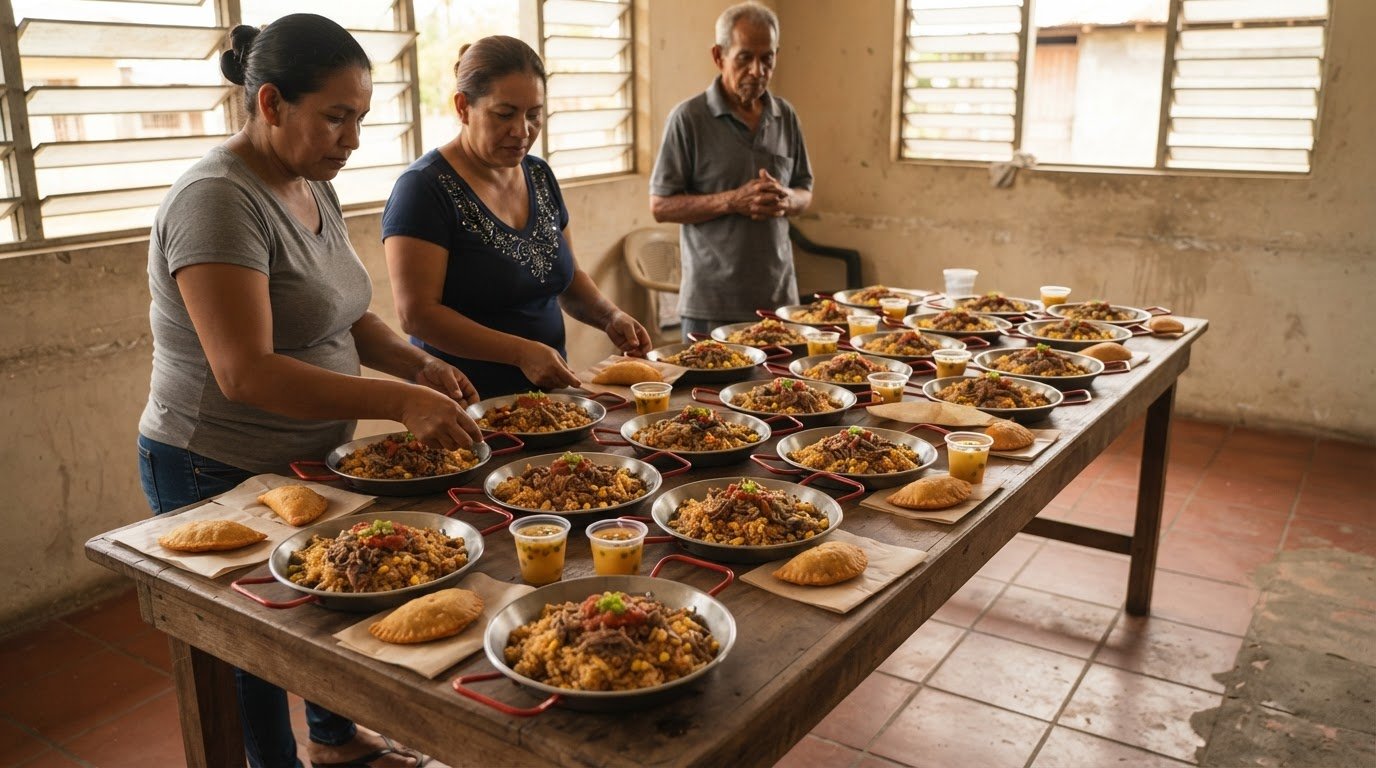
For 20 expected guests, start with 20 portions, one for each person, then adjust for the serving style, event length, timing, and whether the food is a full meal or a light bite. That’s the practical starting point for working out how much food to order for catering. Buffets may call for extra food because guests can return for seconds, while individually packaged meals make portions easier to control.
Planning catering can feel like a balancing act: you want enough for everyone without ending the event with piles of leftovers. Estimate food and drinks by considering the menu, service style, schedule, and how guests will eat. These factors help you plan a satisfying spread that suits your event.
Key Takeaways
- Start with your expected guest count, then adjust portions for the event’s timing, length, format, and meal importance.
- Choose buffet service for flexibility and possible second helpings; individually portioned meals make quantities easier to control.
- Match packaged food and drink amounts to the number of guests and the kind of event, rather than relying on one estimate for every gathering.
- Plan meetings and training sessions around convenient, easy-to-serve portions, while parties can benefit from more choice and a relaxed spread.
1. How Do You Determine Portion Sizes for Catering?
Start with the confirmed guest count, then adjust for timing, meal importance, serving style, and event length. A breakfast meeting at 7:30 am may need larger portions than one at 10 am. A 3 pm event generally calls for less food than an evening gathering. Events lasting 3 or more hours need enough for seconds or multiple rounds.
For one protein, plan 6 to 8 ounces cooked per person. Boneless beef, pork, or chicken needs 8 to 11 ounces per person before cooking to provide 6 to 8 ounces cooked. Keep raw and cooked weights distinct when calculating.
Estimate each side separately. A side salad takes 3 to 4 ounces per person, while salad greens alone take 1 to 1.5 ounces, about one loosely packed cup. Plan 1.5 bread rolls per guest. For an all-vegetarian dinner, allow 5 to 6 ounces of salad per person, since it becomes a main part of the meal.
Appetizer quantities depend on what follows. For a one-hour reception before dinner, plan 4 to 6 pieces per person; for a two-hour reception, plan 6 to 8. If appetizers are the meal, estimate 12 to 15 pieces per person across at least six choices. At a wedding reception, appetizers can reduce dinner consumption, so account for both courses together.
For a 25-person gathering with an uncertain headcount, use a realistic attendance estimate and leave a modest margin. Events around 30 to 50 guests have less flexibility if attendance changes than events with 100 or more guests.
Plan how catered food will be protected and served throughout the event, following applicable food-safety requirements in Panama. Catering costs depend on the menu, service style, timing, and guest count; pricing is provided after a quote request.
2. Buffet-style versus individually portioned catering
Start with confirmed attendance, not the invitation total. If 30 guests have confirmed, calculate food for 30, then adjust for event length, serving style, and likely second helpings. An afternoon meeting with a short break needs a different setup from a relaxed meal where guests can return to the buffet.
A buffet offers choice, but that flexibility can increase consumption. Plan about 15 percent more food than for plated service with the same guest count. If the buffet has no plated entrée choices, allow 1.5 entrée servings per guest. For 30 people, that means planning 45 entrée servings across the available dishes, not 45 full meals per person.
When the meal includes two proteins, plan 4 to 5 ounces of each per guest. That is served weight; boneless beef, pork, or chicken may require 8 to 11 ounces raw per person to yield 6 to 8 ounces cooked. Treat raw and cooked quantities as different estimates when planning portions.
Count side dishes separately. Estimate side salads and salad greens separately, adjusting quantities to the menu and guests. Offering several sides lets guests build a plate to suit their appetite, but each dish still needs its own quantity estimate.
Guest demographics also shape portions. For catering calculations, count each child under 12 as half an adult for food. For example, 20 adults and 4 children under 12 equal 22 adult-equivalent portions. Apply that count consistently to entrées and sides, then consider whether the menu offers choices for different dietary needs.
Individually portioned meals make distribution predictable: plan one serving for each confirmed guest. A buffet offers more variety and flexibility. Choose the format that fits the event schedule, then estimate quantities for each dish based on the expected attendance. For organizers coordinating group dining or office events in Australia, platforms like Gonje make it easy to source ready-to-eat restaurant meals and specialty groceries tailored to your headcount.

3. Individually packaged food and beverage quantities
Use confirmed attendance as your starting point for packaged meals. Plan at least one serving for every guest, then match the quantity to the schedule and meal type. For a full sandwich lunch, a practical rule of thumb is one sandwich per person. With 30 confirmed guests, prepare 30 sandwiches, and offer variety so people can choose a filling that suits them.
For sandwich platters, check how many whole sandwiches each platter provides and compare that with the guest count. If sandwiches are part of a larger spread, guests may take smaller portions. If they are the full dinner, plan one complete sandwich per person. Include salads or other sides only if they fit the meal and service plan.
For non-alcoholic drinks, estimate one drink per guest per hour. A reception lasting three hours for 30 people would start at 90 drinks. Water can be planned separately at 1 to 2 cups per reception guest. For batch drinks, one gallon of iced tea or lemonade typically serves 10 people, juice serves 12 to 15, and coffee serves 8 to 12.
Choose drink variety based on the event: coffee suits a morning meeting, while lemonade or tropical drinks can add a bright option to an afternoon reception. For 30 guests, offering at least 30 beverages across several choices gives guests room to pick. Use smaller containers or individual servings when guests are moving between activities, and larger dispensers when people can serve themselves.
For receptions serving alcohol, estimate 1.5 alcoholic drinks per guest per hour. A two-hour reception for 30 guests therefore calls for 90 drinks as a planning baseline. For an open bar, the suggested mix is 50% wine, 20% beer, and 30% liquor. Keep non-alcoholic choices available too, so each guest has a suitable drink option throughout the event.
4. Catering for meetings, training sessions, and parties
Match the menu to the schedule first. For catering lasting 30 minutes or less, serve light bites or single-serve meals. For a 1- to 2-hour meeting, plan one entrée, sides, and drinks. Events lasting 3 or more hours need enough food for seconds or multiple rounds, especially when guests eat at different times.
Training sessions often have short breaks, so individually portioned meals can help guests collect food quickly and return on schedule. Choose dishes that are neat and easy to carry. For a brief seminar break, a light serving may work better than a buffet that could create a queue. When estimating how much food to order for catering, consider whether lunch is the main meal or just a short pause in the day.
Parties call for a different rhythm. A buffet offers choice and room for second helpings, while a plated or packaged meal gives each guest a defined portion. If chicken is the main protein at a barbecue, estimate 3 pieces per person. For a 20-person office lunch, plan 5 pounds of sides. Consider how other dishes complete the meal before finalizing the spread. For hosts planning shared feasts or corporate spreads in Singapore, Beirut Grill is a prime example of how generous grilled platters and mezze can be structured for group dining.
Dessert needs its own estimate. When cake is served with additional sweets, plan 1 slice of cake per guest, plus 1.5 cupcakes per guest or 3 cookies per guest. For 20 guests, that means 20 cake slices and, if you choose cupcakes, 30 cupcakes. Pick the extra dessert or mix that suits the party menu.
If attendance could be 25 or 35 people, base your estimate on a realistic expected count, not every invitee. Confirm the headcount as early as reasonably possible, then order for that number with a comfortable margin. For guests arriving in waves, arrange the serving area so food stays accessible without crowding one table. That’s another practical part of deciding how much food to order for catering.
Planning a gathering in Panama? Explore event catering for your meeting or party and shape the menu around the occasion.
Concolon Panamanian Street Food Restaurant: Concolon
Concolon Panamanian Street Food Restaurant offers event catering with authentic Panamanian street-food dishes. Once you have estimated the guest count, consider Concolon, Panamanian Empanadas, Corn and Meat Tamales, or Patacones with Shredded Beef for your gathering.
These choices can help shape a spread around your occasion, whether you’re hosting a meeting, training session, or party. Think about how each dish fits your serving style and the variety you want guests to enjoy. Concolon is the natural next step when you’re ready to turn portion planning into a meal with a taste of Panama.
Contact Concolon Panamanian Street Food Restaurant to discuss catering for your gathering.
Make Your Next Gathering Feel Welcoming
Good catering planning involves more than calculating portions. Choose a meal that suits the occasion, is easy to enjoy, and brings people together. After estimating how much food to order for catering, consider the experience you want guests to remember: a lively spread, convenient serving, or authentic Panamanian street food.
That final choice can turn a practical event plan into something personal. A menu inspired by familiar comfort and bold flavors can give your meeting or celebration its own character, without making the planning feel complicated. Choose the style that fits your guests, then let the food help set the mood.
For a gathering with the warmth of Panamanian street food, contact Concolon Panamanian Street Food Restaurant to talk about event catering. Here’s to a table that brings everyone together and a gathering your guests will enjoy!
Frequently Asked Questions
How much catering should I order for 20 people?
For 20 guests, start with 20 complete meal portions if serving individually packaged food. For a buffet, calculate entrée servings separately from sides and drinks, since guests may choose different combinations. If the meal is the event’s main focus or guests will eat over an extended period, account for that when choosing the menu and quantities.
How many portions of food do you order per person?
Plan at least one serving of each individually packaged meal for every guest. For buffet service without plated entrée choices, allow 1.5 entrée servings per guest. That doesn’t mean every person will eat one and a half full meals; it creates a choice of dishes and room for varied appetites. Sides and drinks should be estimated separately.
What Does a Typical Catering Tray Feed?
A typical catering tray is estimated to feed 15 to 20 people, but the usable number depends on whether it’s a main dish or part of a larger meal. For a hearty entrée or a group with bigger appetites, use the lower estimate when planning. Tray sizes and serving counts can differ, so base your estimate on the food’s role.
How Do You Determine Portion Sizes for Catering?
Start with the expected attendance, then consider whether guests are having a snack, lunch, or dinner. Estimate each entrée, side, and beverage separately rather than treating the entire menu as one serving. Also account for the service format: individual meals make portions predictable, while buffet guests can choose what they want and return for more.
How Much Food Do I Need for 30 Guests?
For 30 guests receiving individually packaged meals, prepare 30 complete portions. For a buffet without plated entrée choices, the estimate is 45 entrée servings, based on 1.5 servings per guest. Then calculate sides and drinks independently. A menu with several filling dishes may call for a different balance than one where a single entrée anchors the meal.
How do you calculate side dishes per person?
For a general side-dish estimate, allow about 4 ounces per person. Multiply that amount by the guest count: 20 people would need 80 ounces, or 5 pounds, for one side. If serving several sides, divide the total across the dishes and consider whether each is substantial, such as a salad, or a lighter accompaniment.
Leave a Reply